
Mega-consumers are Killing the Planet

A new study reveals that the world's top 10% "mega- consumers" of food and energy cause up to $5.7 trillion in environmental damage each year. This is equivalent to $2.3k–$7.5k per person.
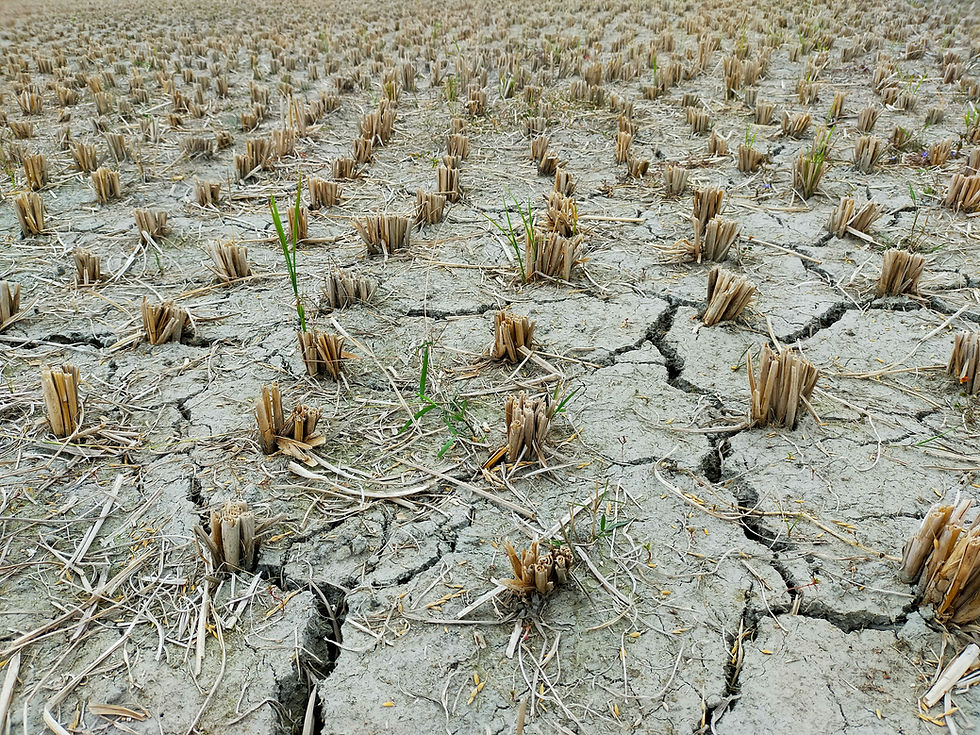
Research published in the journal Communications Sustainability (an open-access journal from Nature Portfolio) found that this group, concentrated in the Global North, is disproportionately responsible for transgressing planetary boundaries, causing damages for which broader society bears the costs. These environmental pressures cause drought, heat stress, eutrophication, ecosystem degradation and ultimately human and animal suffering.
It should come as no surprise that the most destructive forms of consumption were linked to two main areas: food – particularly red meat, a primary driver of deforestation – and energy, including flights and heating and cooling homes, which typically rely on burning of fossil fuels, such as gas, oil and coal.

Let’s briefly focus on two areas often associated with the global elites – private jets and fancy meals, specifically red meat.
Nothing says ‘elite’ like a private aircraft. Private jets are among the most carbon-intensive forms of travel, with environmental impacts that far outweigh commercial aviation on a per-passenger basis:
Carbon emissions per passenger - a private jet emits anywhere from 5 to 14 times more CO₂ per passenger than a commercial flight, and up to 50 times more than a train. A single transatlantic private jet flight can emit more carbon than the average person produces in an entire year.
Fuel inefficiency - private jets burn large amounts of fuel whether carrying 1 passenger or 14.
Frequency - private jet users often fly routes easily served by commercial flights or trains, and some take flights as short as 20 minutes.
Fancy steak dinners are also associated with the rich. Red meat production and consumption carries a heavy environmental footprint across several dimensions:
Greenhouse gas emissions - livestock agriculture accounts for around 14.5% of global greenhouse gas emissions, with beef being the largest contributor by far.
Land use - raising cattle requires vast amounts of land, both for grazing and for growing feed crops. Beef production uses about 60% of the world's agricultural land. This drives deforestation, particularly in the Amazon, where land is cleared for cattle ranching and soy production for animal feed.
Water consumption - producing 1 kg of beef requires an estimated 15,000 liters of water when you account for drinking water, irrigation for feed crops, and processing. This puts pressure on freshwater supplies in water-stressed regions.
Biodiversity loss - follows deforestation and habitat conversion, wiping out ecosystems and pushing species toward extinction — the Amazon being the starkest example.

According to the report, policymakers could introduce targeted taxes on luxury goods, wealth, and carbon emissions to curb consumption among the highest-polluting groups. Such measures would not only cut emissions and reduce pollution but also generate public revenue that could fund the transition to a more sustainable economy and help narrow the gap between rich and poor.
Given the current state of world affairs and the influence of the ultra rich in countries such as the U.S., this transition could take a long time, and time is running out. The planet, and all its inhabitants are paying a high price for global elites to live the high life.
Suzanne York is Director of Transition Earth.

Comments