
Young People in Uganda Are Shaping the Future of Climate Resilience and the Nile Basin

Climate change is putting increasing pressure on communities that depend on natural resources for their livelihoods. Across the Nile Basin, flooding, drought, environmental degradation and competition over water and land present challenges that require collective action and locally driven solutions.
In Uganda, young people are an important part of that response. Yet, despite their numbers and potential to drive change, they often have limited opportunities to influence decisions about environmental protection and natural resource management.
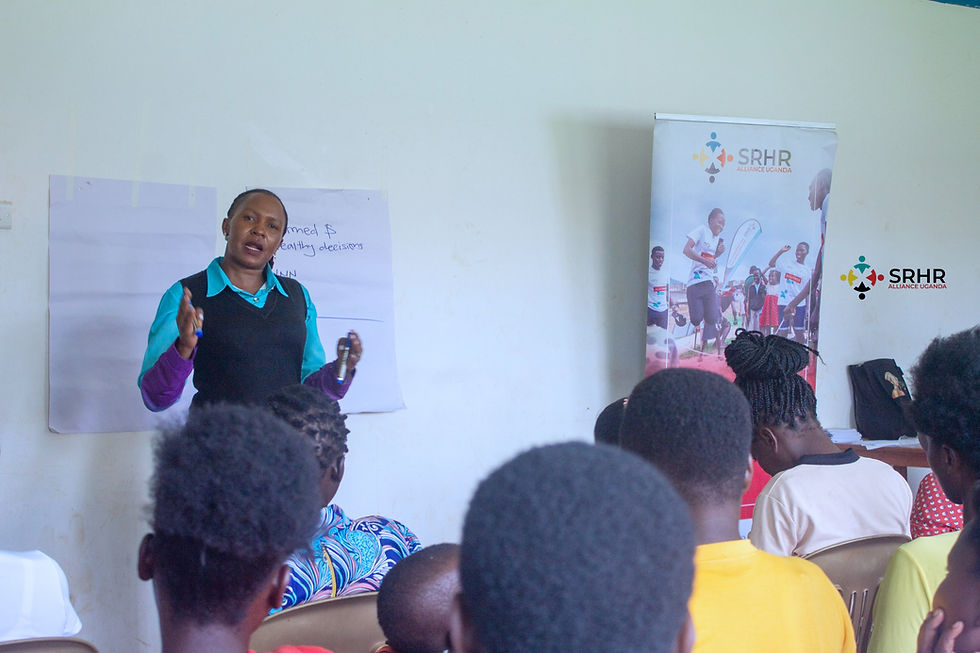
This was among the issues explored during the Uganda National Youth Platform for Dialogue on Youth and Transboundary Water Resources Management in the Nile Basin, held in Kampala on 17 September 2026 under the Nile Basin Development Network Uganda.
The dialogue brought together young people and stakeholders to discuss how youth leadership can strengthen water governance, climate resilience, environmental conservation and peacebuilding.
Connecting climate resilience with community action
The Nile Basin supports communities across national borders, providing resources that are essential to livelihoods and development. Protecting it requires cooperation, responsible resource management and approaches that respond to the realities of communities living along the basin.
During the dialogue, participants explored practical ways young people can contribute to these efforts. These included restoring degraded ecosystems, protecting wetlands and water catchment areas, reducing waste and pollution, and promoting climate-smart agriculture. Young people can also support climate action through digital innovation, environmental awareness and community-based monitoring of water levels, soil erosion and other climate-related risks.
These interventions demonstrate that climate resilience is not only about responding to disasters. It also involves protecting ecosystems, strengthening local livelihoods and helping communities prepare for environmental changes.

Creating space for youth-led solutions
A key proposal emerging from the dialogue was establishing the Uganda National Nile Youth Network. The network is intended to provide a platform for young people to coordinate initiatives, share knowledge and participate more meaningfully in water governance and environmental decision-making.
Plans include regional demonstration and learning hubs in Kampala, Masaka, Fort Portal, Jinja, Gulu and Mbale. These hubs are expected to support locally relevant initiatives, including water harvesting, sanitation, waste recycling, watershed management and peacebuilding.
The approach also recognises that young people have different experiences and opportunities. Schools can nurture environmental leadership through climate clubs and student innovations, while community-based initiatives can engage out-of-school youth through skills development, entrepreneurship and practical conservation activities.
For these efforts to succeed, youth-led innovations need more than enthusiasm. Access to funding, mentorship, technical expertise and institutional partnerships will be essential to helping promising ideas grow.
Making environmental action more inclusive
Participants identified several barriers to youth engagement, including inadequate funding, limited technical capacity, weak coordination and insufficient opportunities to influence decisions. They also highlighted the exclusion experienced by some young people, including persons with disabilities, refugees and pregnant young women.
Lead facilitator Raymond Ruyoka assessed participants’ knowledge of water governance, climate action, and peacebuilding before and after the training. Across 35 participants, the average score increased from 57% before the sessions to 83% afterwards, indicating improved understanding of the topics covered.
Addressing these barriers requires governments, civil society organisations, development partners and private sector actors to create meaningful opportunities for young people to participate in shaping environmental policies and programmes.
Young people should not only be consulted about the challenges affecting their communities. They should also have the resources and decision-making power to develop and implement solutions.

Investing in a resilient future
Protecting the Nile Basin is a shared responsibility that extends across communities and generations. As climate challenges grow, investing in young people's leadership, knowledge and innovations can help strengthen environmental protection and community resilience.
The proposed youth network and regional hubs offer an opportunity to connect local action with broader efforts to manage shared water resources sustainably.
For Transition Earth, the wider lesson is clear: lasting environmental change depends on solutions that bring communities into the process and recognise young people as contributors to, and leaders of, that change.
Supporting youth-led action today is an investment in healthier ecosystems, more resilient communities and a sustainable future for generations to come.



Comments